Exploring the Okanagan: A Guide to Wine, Vineyards, and Tasting Experiences

The Okanagan Valley is one of British Columbia’s most distinctive wine regions, known for its scenic vineyards, diverse growing conditions, and increasingly recognized wines. Stretching through the southern interior of the province, the region offers an appealing combination of natural beauty, agricultural heritage, and thoughtful winemaking. For travelers interested in discovering a winery in Okanagan, the experience is about much more than tasting wine—it is an opportunity to understand how climate, soil, farming, and local character influence what reaches the glass.
What Makes the Okanagan a Unique Wine Region?
The Okanagan’s wine industry benefits from a combination of geography and climate. Warm, dry summers provide favorable conditions for grape ripening, while cooler evenings help maintain freshness and acidity. The valley’s lakes, hills, vineyards, and varied elevations also create different microclimates from one area to another.
This diversity allows wineries to work with a broad range of grape varieties and wine styles. White wines can show bright acidity and expressive fruit, while reds may develop concentrated flavors and structure during the long growing season. Rosé and sparkling wines also have an important place in the region.
For visitors, this means that exploring a winery in Okanagan can offer a different experience from one estate to another, even when the wineries are relatively close geographically.
The Importance of Estate-Grown Grapes
From Vineyard to Bottle
One of the most interesting aspects of visiting an Okanagan winery is learning about the connection between vineyard management and winemaking. Estate-grown grapes give producers greater control over the process, from cultivating vines to harvesting fruit and deciding how it will be handled in the cellar.
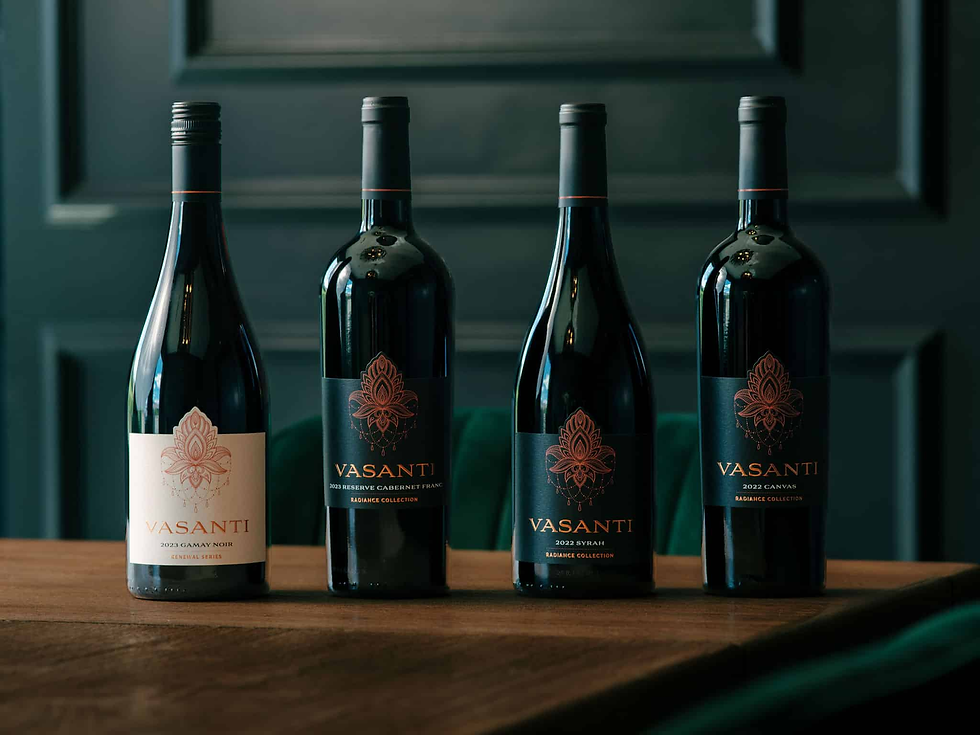
Small-lot production can make this connection even more apparent. Rather than producing large quantities of standardized wine, smaller producers may focus on individual vineyards, specific varieties, and particular vintages. These wines can provide a stronger sense of place and allow visitors to explore subtle differences between releases.
Understanding Terroir
The concept of terroir refers broadly to the influence of factors such as soil, climate, landscape, and farming practices on wine. In the Okanagan, changing terrain and growing conditions contribute to a wide range of expressions.
Tasting wines while looking directly over the vineyards can make the idea of terroir easier to appreciate. Instead of thinking about wine simply as a finished beverage, visitors can see the agricultural landscape behind it.
What to Expect During a Winery Visit
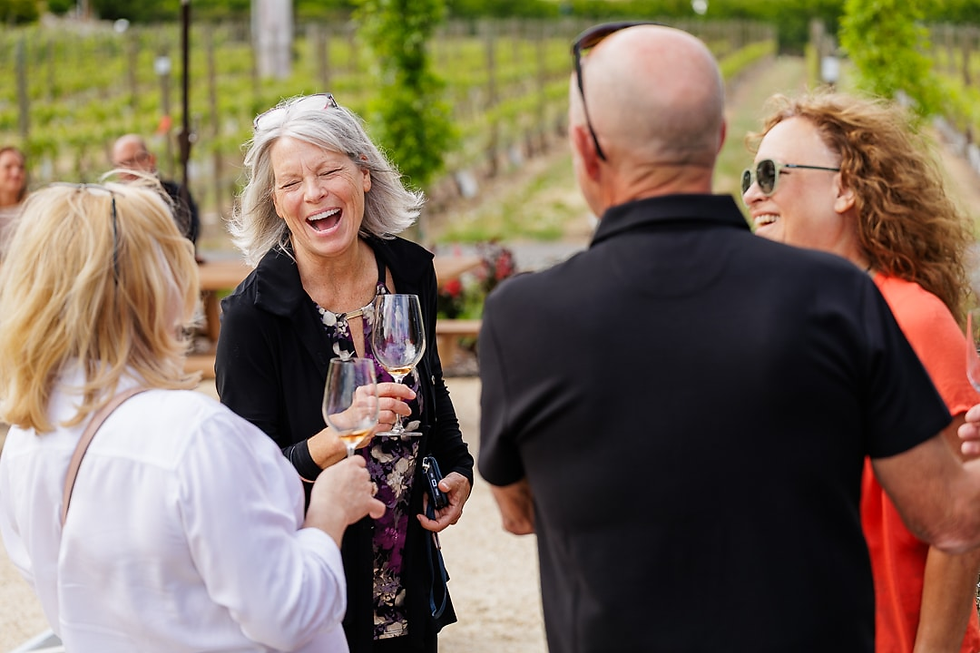
A visit to a winery in Okanagan can be as relaxed or educational as you choose to make it. Many tasting rooms offer guided tastings where guests can sample several wines while learning about grape varieties, production methods, and the character of the surrounding region.
Guided Tastings
A guided tasting is a useful way to compare wines and understand why they taste different. Staff may explain the vintage, grape variety, production techniques, and recommended food pairings. Asking questions can make the experience more informative, particularly for visitors who are new to wine.
Scenic Outdoor Spaces
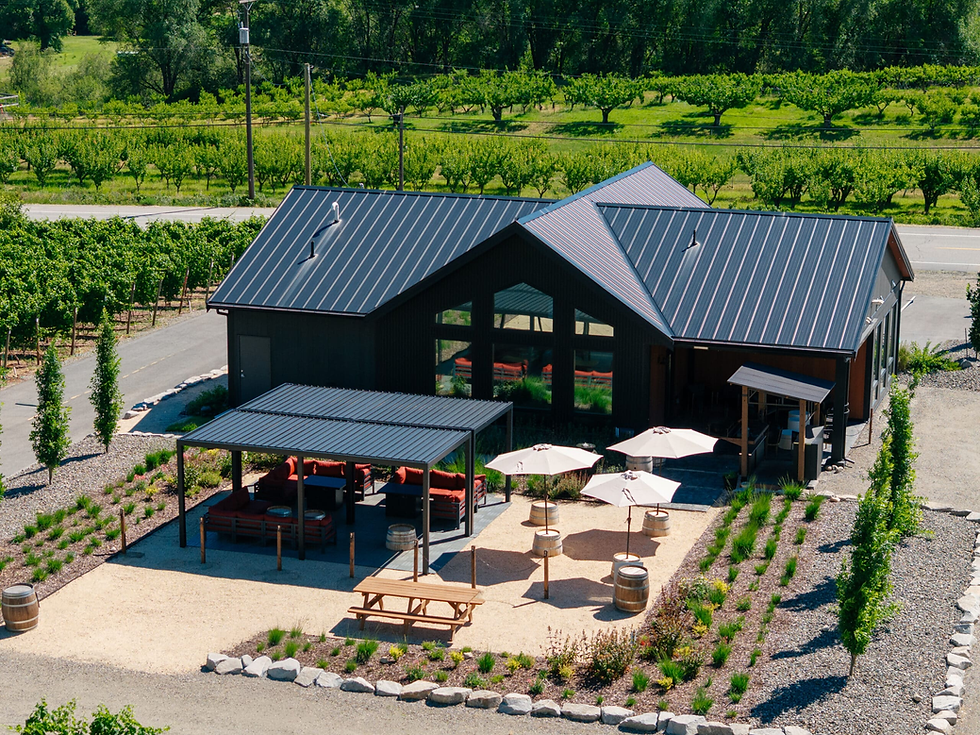
Many Okanagan wineries take advantage of their surroundings with patios, lounges, and vineyard views. These spaces can turn a tasting into a leisurely afternoon rather than a quick stop.
Some wineries also offer small plates or locally inspired food, allowing visitors to explore how regional ingredients complement different wines.
Planning an Okanagan Wine Tour
With numerous wineries distributed throughout the valley, planning ahead can make a wine-focused trip more enjoyable. Instead of attempting to visit as many properties as possible, consider selecting a smaller number that offer different experiences.
A well-planned itinerary might include a producer specializing in estate-grown wines, another known for sparkling or white wines, and a third offering a broader selection of reds. This approach gives visitors greater variety without making the day feel rushed.
It is also worth checking tasting schedules, reservation requirements, seasonal hours, and available amenities before setting out. Responsible transportation should be part of the plan whenever alcohol tastings are involved.
Discovering the Character of Okanagan Wine
The appeal of a winery in Okanagan lies partly in the opportunity to connect wine with its surroundings. The vineyards are not isolated from the region’s identity; they are part of an agricultural landscape shaped by families, growers, changing seasons, and generations of experience.
Family-owned wineries can offer another perspective. Their stories often reveal how farming traditions have evolved alongside the modern wine industry. Visitors may discover that a bottle represents not only a particular grape and vintage but also years of cultivation and experimentation.
A Region Worth Exploring
Whether you are an experienced wine enthusiast or simply curious about British Columbia’s wine culture, the Okanagan offers plenty to explore. The combination of vineyard scenery, diverse wines, local food, and hospitality creates a memorable destination for a wine-focused getaway.
For travelers seeking a winery in Okanagan, choosing an estate with vineyard views, guided tastings, small-lot wines, and a strong connection to local agriculture can provide a particularly rewarding experience. Vasanti Estate Winery in Oliver brings together estate-grown vineyards, small-lot production, guided tastings, and a welcoming tasting-room setting in the South Okanagan.
Ultimately, the best winery visits are those that encourage visitors to slow down, taste thoughtfully, and appreciate the landscape and people behind every bottle.


Comments